
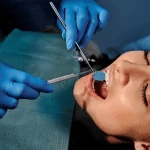
Sedation dentistry is a great way to relax and feel at ease during your dental procedures. It can be used for people of all ages, and is a great option for those who are anxious about going to the dentist. In this blog post, we will discuss what sedation dentistry is, and how it can help you get the dental care you need without feeling anxious or uncomfortable.
What is Sedation Dentistry?
Sedation dentistry can help patients relax during their dental procedures by using medication. It can be used for people of all ages, and is a great option for those who are anxious about going to the dentist. There are multiple types of sedation dentistry which can be given through an IV, oral sedation like a pill, or inhaled gas also known as laughing gas or happy gas. The type of sedation you receive will depend on the procedure you are having done, as well as your level of anxiety.
Why Use Happy Gas as a form of sedation?
Happy gas, also known laughing gas, is a mild level of conscious sedation which is a relaxed and optimal way to help you relax during your dental procedures. It is one of the most popular forms of sedation dentistry, and is often used for people who are anxious about having dental treatment. Happy Gas s a form of relative analgesia or minimal sedation inhaled through a mask, which can help reduce dental anxiety and help you feel relaxed during your procedure.
While happy gas is safe when administered by a trained professional, there are still minor short-term side effects and specific health situations where it should not be used.
- Nausea and vomiting: Risk increases if you eat a heavy meal before your appointment.
- Dizziness or lightheadedness: Causes a brief floating or unsteady feeling.
- Headaches: Can occur if the final oxygen flush phase is cut short.
- Shivering or sweating: Temporary body temperature fluctuations while inhaling the gas.
- Disorientation: Mild fogginess or brief claustrophobia from the nose mask.
What Is The Process for Happy Gas Sedation Dentistry?
The process for happy gas sedation dentistry is simple and easy. Once you are in the dental chair, you will be given a mask to breathe in the Happy Gas. You will start to feel relaxed and at ease almost immediately. The dentist will then proceed with your dental procedure, and you will be able to feel comfortable. Once the procedure is completed, the Happy Gas will be turned off.
How long does the effect of Happy Gas last?
The effects of happy gas typically last for a few minutes after the procedure is completed. You may feel lightheaded or dizzy, but this will quickly wear off. Once the effects of the happy gas have worn off, you will be able to drive yourself home after the procedure and complete other normal activities.
Will I feel any pain in sedation dentistry?
No, you will not feel any pain during your procedure. The medication used in sedation dentistry helps to relax your muscles and reduce your gag reflex. This means that you will not feel any pain during your procedure, and you will be able to remain relaxed and at ease helping to reduce your dental anxiety.
- Pressure: A dull pushing feeling when the dentist works on a tooth.
- Vibration: A humming sensation through your jaw from the dental drill.
- Cooling spray: Water from the dental tools used to keep the area clean.
Considering Sedation Dentistry? Contact Yeronga Park Dental today
If you think you might be a good candidate for sedation dentistry, contact Yeronga Park Dental today. We would be happy to discuss your options with you as we understand that visiting the dentist can be anxiety-inducing, and we want to help you get the care you need without feeling uncomfortable.