
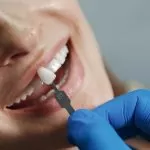
Are you curious about how to take care of your dental crowns? We understand how important it is to maintain the health and appearance of your teeth, which is why we want to dive into what you need to know about caring for this valuable investment.
From understanding the specifics related to cleaning and maintaining your dental crowns, as well as being knowledgeable on when a visit with our clinic might be necessary – there’s plenty of helpful information covered in this blog post that will help ensure that both your smile and wallet stay healthy across time! So let’s dive right in…
The Importance of Proper Dental Crowns Care
Proper dental crown care is essential to ensure the longevity, functionality, and aesthetic appeal of your dental crowns. While dental crowns are designed to be durable, they still require regular maintenance and attention. Here are some reasons why proper dental crown care is important:
- Prolonging Lifespan: Dental crowns can last for many years with proper care. By following good oral hygiene practices and taking care of your dental crowns, you can help extend their lifespan. This means avoiding premature replacement or the need for additional dental procedures.
- Protection of Underlying Tooth: Dental crowns are placed over damaged or weakened teeth to provide protection and support. By caring for your dental crowns, you are also safeguarding the underlying tooth structure from further damage or decay. This can prevent the need for more invasive treatments in the future.
- Maintaining Oral Health: Proper care of dental crowns contributes to overall oral health. By keeping the area around the crowns clean and free from plaque buildup, you can reduce the risk of gum disease, tooth decay, and other oral health problems. Healthy surrounding teeth and gums support the stability and function of dental crowns.
- Prevention of Gum Irritation and Inflammation: Neglecting dental crown care can lead to gum irritation and inflammation. Plaque and bacteria can accumulate around the crown margins, causing gum problems such as redness, swelling, and tenderness. By practicing good oral hygiene and regular cleaning, you can minimize gum issues associated with dental crowns.
- Maintaining Aesthetics: Dental crowns are designed to blend in seamlessly with your natural teeth, providing an aesthetically pleasing smile. Proper care helps preserve the appearance of your dental crowns, ensuring they continue to look natural and attractive. This is particularly important for front teeth crowns that are highly visible.
- Avoiding Sensitivity and Discomfort: When dental crowns are not well-maintained, sensitivity to hot or cold stimuli may develop. Poor oral hygiene can lead to gum recession and exposure of the tooth root, causing discomfort. By keeping your dental crowns clean and free from bacteria, you can minimize sensitivity and discomfort.
- Prevention of Dental Complications: Neglected dental crown care can result in complications such as decay around the crown margins or loosening of the crown. These issues may require additional dental work, including crown replacement or root canal treatment. Proper care can help prevent these complications and associated costs.
How To Take Care Of Your Dental Crowns?
Dental crowns are a common dental restoration procedure that can help to restore a cracked or damaged tooth to its natural condition. They are typically made from porcelain, metal, or a combination of both, and can provide a long-lasting solution to a range of dental problems. However, to ensure that your dental crown lasts as long as possible, it is important to care for it properly. Here are some tips on how to properly take care of dental crowns.
Maintain good oral hygiene
It is important to maintain good oral hygiene by brushing your teeth twice a day and flossing daily. This will help to prevent the buildup of plaque and bacteria that can contribute to the deterioration of the crown.
Avoid hard foods
If you have dental crowns, it is best to avoid hard foods such as ice, nuts, and hard candy. These foods can potentially cause damage to the crown, and lead to breakage or cracks.
Use a mouthguard
If you engage in activities such as contact sports or grinding your teeth, it is recommended that you use a mouthguard. This will help to protect your dental crown from damage and ensure its longevity.
Avoid biting on non-food items
Avoid biting on non-food items such as pens and pencils as this can potentially damage the crown.
Schedule regular dental appointments
Regular dental check-ups are important for the maintenance of oral health, and can also help to identify any potential problems with the crown before they become more serious.
Avoid using your teeth as tools
Avoid using your teeth as tools to open packages or bottles, as this can potentially damage the crown.
In summary, proper care and maintenance of dental crowns is crucial in ensuring their longevity. By following the tips above, you can help to keep your dental crowns looking and functioning at their best for years to come. Always be sure to consult your dentist with any concerns or questions about your dental crown maintenance.
Want to learn more about dental crowns? Visit Yeronga Park Dental today.